Creating a home office that feels cozy and inviting is essential for maintaining focus and enjoying your workday, especially if you spend long hours at your desk. A well-designed workspace can inspire creativity, reduce stress, and increase productivity. Whether you have a dedicated room or just a small corner, these tips will help you craft a home office that reflects comfort and functionality.
1. Choose the Right Location
The first step in designing a cozy home office is finding the best spot in your home. Ideally, this should be a quiet area with minimal distractions.
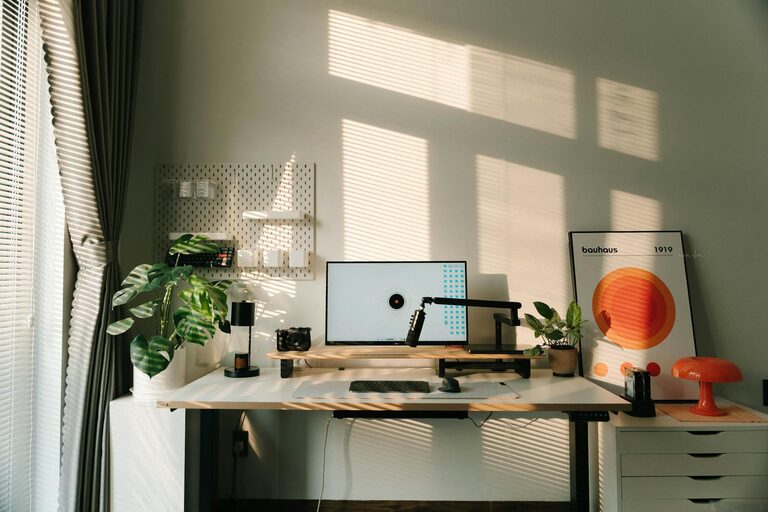
– Natural Light: Position your desk near a window if possible. Natural light helps improve mood and reduce eye strain.
– Privacy: Pick a space where you can work undisturbed, away from high-traffic areas, to maintain concentration.
– Temperature and Ventilation: Make sure the room is comfortable year-round with proper airflow.
2. Invest in Comfortable Furniture
Comfort is key in a home office. Your furniture choices will affect your posture, energy levels, and overall well-being.
– Ergonomic Chair: Choose a chair that supports your back and encourages good posture. Adjustable height and lumbar support are beneficial features.
– Desk: Select a desk size that fits your space and work needs. Consider a standing desk or a desk converter to vary your position throughout the day.
– Additional Seating: A small armchair or cushioned bench can provide a cozy spot for breaks or brainstorming sessions.
3. Personalize Your Workspace
Your home office should be a place you enjoy spending time in. Adding personal touches makes the environment welcoming.
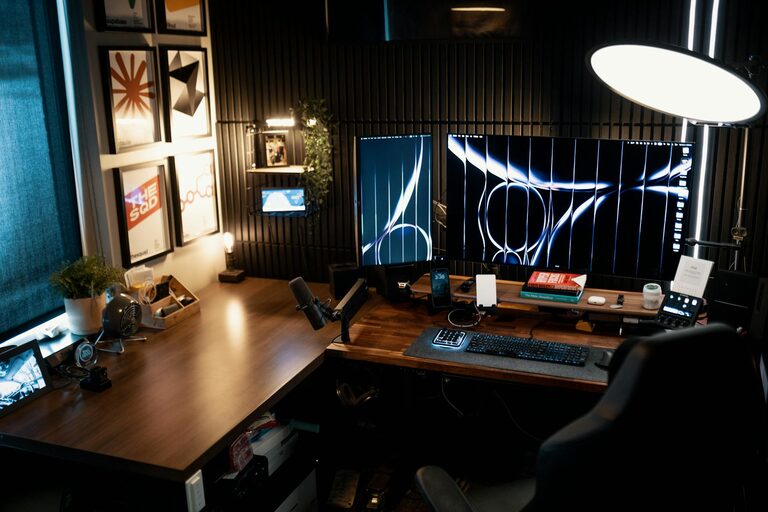
– Decorate with Artwork and Photos: Hang prints or pictures that inspire you or bring positive memories.
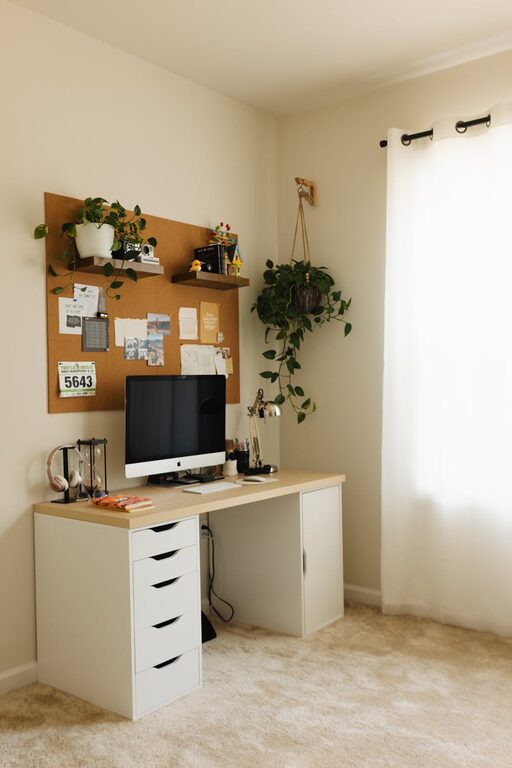
– Plants: Indoor plants add life and improve air quality. Easy-care options like succulents or peace lilies are great choices.
– Textiles: Use soft cushions, throws, or rugs to bring warmth and texture to the room.
4. Smart Lighting Choices
Proper lighting can change the mood and functionality of your workspace.
– Layered Lighting: Combine overhead lights with task lighting such as desk lamps to reduce shadows and eye strain.
– Adjustability: Opt for lamps with dimmers or adjustable angles to customize your lighting based on the time of day or task.
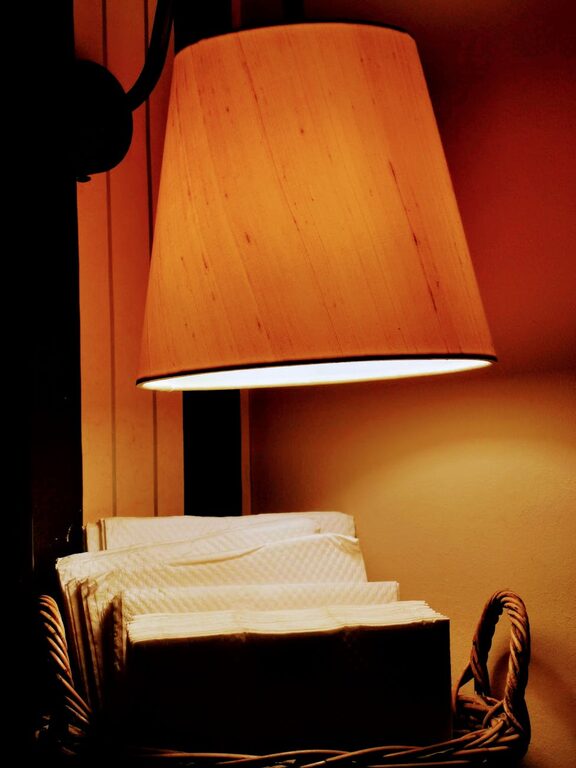
– Warm Light Bulbs: Choose bulbs that emit warm, soft light instead of harsh white light to create a cozy ambiance.
5. Organize Efficiently
A tidy desk promotes focus and reduces stress. Organizing your supplies and documents efficiently can make your day run smoother.
– Storage Solutions: Use shelves, drawers, or filing cabinets to keep everything within reach but out of sight.
– Desk Organizers: Items like pen holders, document trays, and cable management tools help maintain order.
– Declutter Regularly: Set aside time each week to clear unnecessary items and keep your workspace refreshing.
6. Incorporate Calming Colors
Colors have a strong psychological effect. Choosing the right tones can enhance comfort and concentration.
– Soft Neutrals: Shades like beige, light gray, or soft white create a calm backdrop.
– Accent Colors: Add pops of color with accessories or an accent wall in muted greens, blues, or pastel tones to foster relaxation.
– Avoid Overly Bright Colors: Bright or neon hues can be distracting in a workspace.
7. Use Technology Wisely
Technology is a major part of any home office, but it should support your work without adding clutter.
– Wireless Devices: Reduce cable clutter by opting for wireless keyboards, mice, and headphones.
– Cable Management: Use clips or covers to keep cables organized and avoid tangles.
– Proper Screen Positioning: Place your monitor at eye level to prevent neck strain.
8. Create Zones for Different Activities
If space allows, design your office to serve multiple functions.
– Work Zone: Focused on your main tasks with desk and computer.
– Relaxation Zone: A comfortable chair or reading nook for breaks.
– Storage Zone: Organized shelves or cabinets for supplies.
This separation helps your brain switch between work and rest, increasing productivity.
9. Add Pleasant Scents
A subtle fragrance can enhance mood and concentration.
– Essential Oils: Diffuse lavender, peppermint, or citrus oils for a refreshing atmosphere.
– Candles: If safe and allowed, scented candles add both scent and ambiance.
10. Maintain a Routine to Keep Your Space Cozy
A cozy home office requires care and habits that maintain its inviting nature.
– Daily Cleaning: Spend a few minutes each day tidying your desk.
– Seasonal Refresh: Change textiles or decor with the seasons to keep things feeling fresh.
– Set Boundaries: Keep work hours defined to prevent burnout and preserve your home office as a positive space.
—
Final Thoughts
Designing a home office that feels cozy and inviting is about balancing comfort, functionality, and your personal style. By following these tips, you can create a workspace that not only looks good but also supports your daily work and well-being. Remember, a pleasant and organized environment contributes greatly to your motivation and productivity. Enjoy crafting your ideal home office retreat!
About the Author