Working from home has become a common part of many people’s routines, making the home office a key area of our living space. Creating an environment that supports productivity while feeling comfortable and cozy is essential for maintaining focus and enjoying your workday. Whether you have a dedicated room or just a small corner, these tips will help you design a home office space that works best for you.
1. Choose the Right Location
Selecting the right spot in your home is the first step. Ideally, it should be a quiet area with enough natural light.
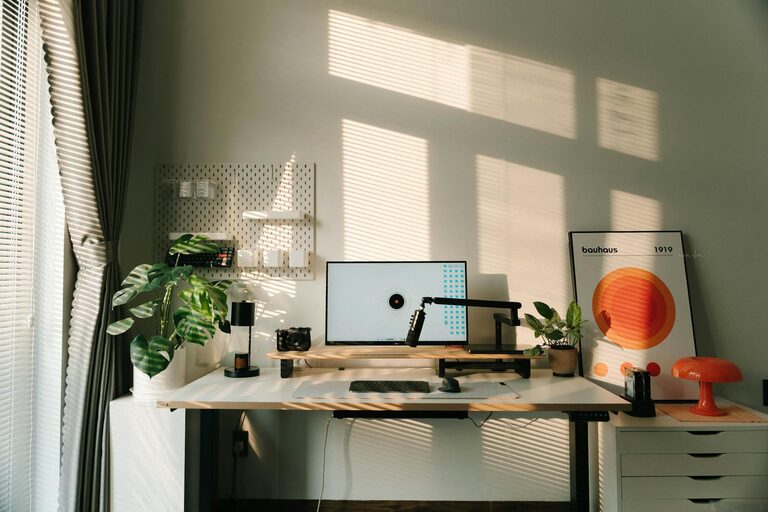
– Natural Light: Place your desk near a window to benefit from daylight. This can improve mood and energy.
– Minimise Distractions: Avoid high-traffic areas or rooms where others frequently gather to stay focused.
– Space Considerations: Make sure there’s enough room for your desk, chair, and any equipment you need without feeling cramped.
2. Invest in Ergonomic Furniture
Comfort plays a major role in your productivity and health.
– Ergonomic Chair: Choose a chair that provides good back support and encourages good posture.
– Adjustable Desk: If possible, use a desk at a height that suits you or consider a sit-stand desk.
– Proper Monitor Placement: Position your screen at eye level to avoid neck strain.
3. Lighting Matters
Good lighting reduces eye strain and enhances your workspace mood.
– Mix Light Sources: Use a combination of overhead lights and a desk lamp.
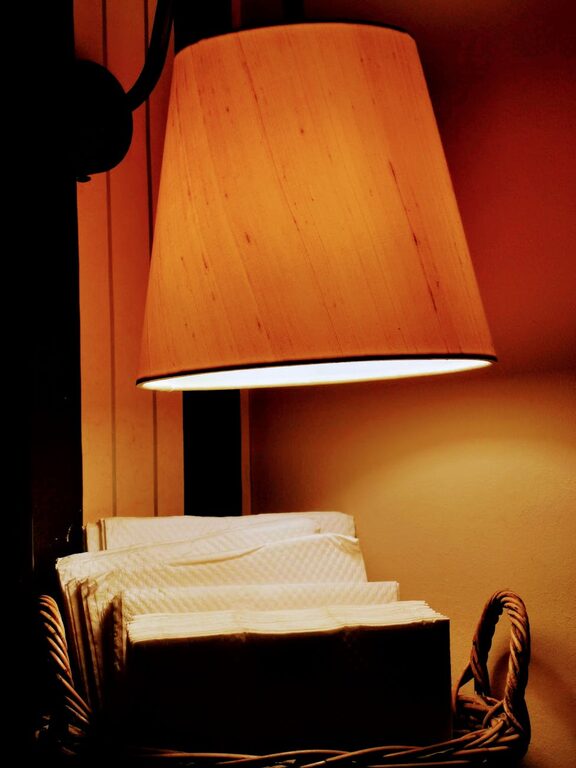
– Warm Light: Soft, warm lighting creates a cozy atmosphere and prevents harsh glare.
– Task Lighting: A focused lamp helps when you need to read documents or write.
4. Organize Your Space
A clutter-free workspace leads to a clearer mind.
– Storage Solutions: Use shelves, drawers, or organizers to keep files and supplies tidy.
– Minimal Essentials: Keep only daily essentials on your desk to maintain neatness.
– Cable Management: Use clips or sleeves to keep cords under control and prevent tangling.
5. Personalise Your Workspace
Adding personal touches makes your office inviting and inspiring.
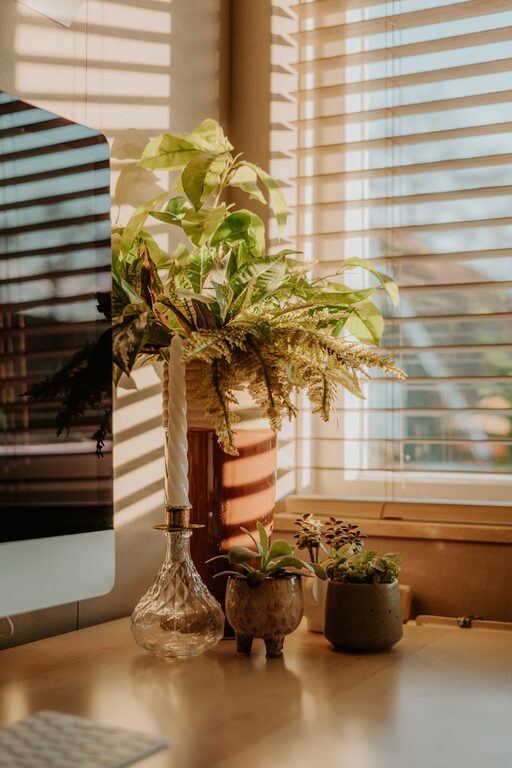
– Plants: Small indoor plants purify the air and bring life to your desk.
– Art and Photos: Decorate the walls with images or items that motivate you.
– Colour Scheme: Choose calming colours like blues or greens, or energising ones like yellows to influence your mood.
6. Limit Noise Distractions
Noise can disrupt your concentration, so controlling it is important.
– Noise-Cancelling Headphones: These are great for focusing when there’s background noise.
– Soft Furnishings: Rugs, curtains, and cushions can absorb sound and contribute to coziness.
– Quiet Hours: Communicate your working hours to household members to minimise interruptions.
7. Incorporate Break Areas Nearby
Taking regular breaks boosts productivity and wellbeing.
– Comfortable Chair or Cushion: Have a spot close to your desk where you can relax.
– Refreshment Station: Keep water or a coffee cup nearby to stay hydrated.
– Move Around: Stand up or stretch regularly to prevent stiffness.
8. Adjust Your Technology Setup
Make sure your equipment supports seamless work.
– Reliable Internet: Good connectivity is essential for remote tasks.
– Keyboard and Mouse: Ergonomic options reduce strain.
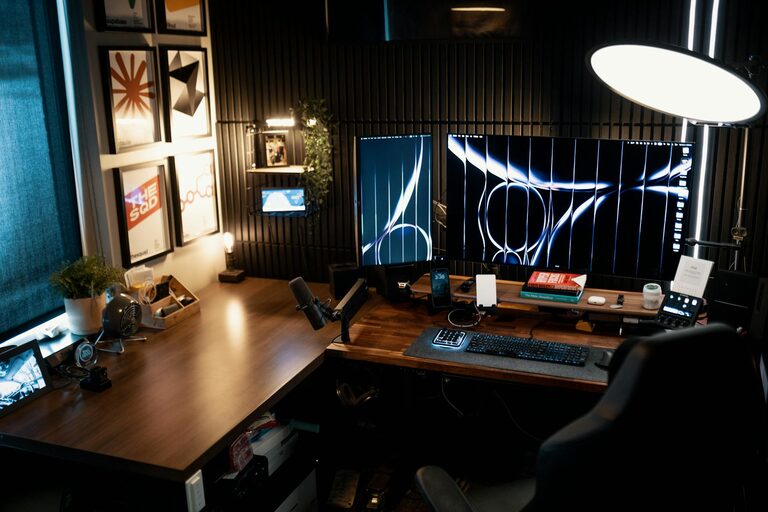
– Multiple Monitors: If your work requires, multiple screens can improve efficiency.
9. Maintain Good Air Quality
Fresh air helps you stay alert and focused.
– Ventilation: Open windows regularly or use an air purifier.
– Humidity: A humidifier can help in dry climates or during winter months.
10. Keep a Routine
Your environment supports you best when paired with a consistent schedule.
– Set Working Hours: Define when you start and finish to maintain work-life balance.
– Morning Routine: Include tidying your desk and planning your day to prepare mentally.
—
Creating a home office that feels both cosy and promotes productivity is about balancing comfort with function. Small adjustments—from lighting to organisation—can have a significant impact on how you work and feel throughout the day. Try out these tips to craft a space where you can focus happily and efficiently.
About the Author