Creating an eco-friendly home office setup is not only good for the environment but can also improve your wellbeing and productivity. With more people working from home, making sustainable choices in your workspace helps reduce your carbon footprint while fostering a healthier work atmosphere. Here are practical tips to guide you in developing an environmentally conscious and comfortable home office.
Choose Sustainable Furniture
Opt for Natural Materials
When selecting desks, chairs, or shelving, look for items made from sustainable materials such as bamboo, reclaimed wood, or recycled metal. These options are more eco-friendly than furniture made from virgin plastics or non-renewable resources.
Buy Second-Hand
Thrift stores, online marketplaces, and office furniture remanufacturers offer quality, affordable second-hand pieces. Choosing pre-owned furniture reduces waste and cuts down on the demand for new production, saving energy and materials.
Prioritize Durability
Invest in sturdy furniture built to last. Durable items mean fewer replacements over time, reducing landfill waste and conserving resources.
Efficient Lighting Solutions
Use Natural Light
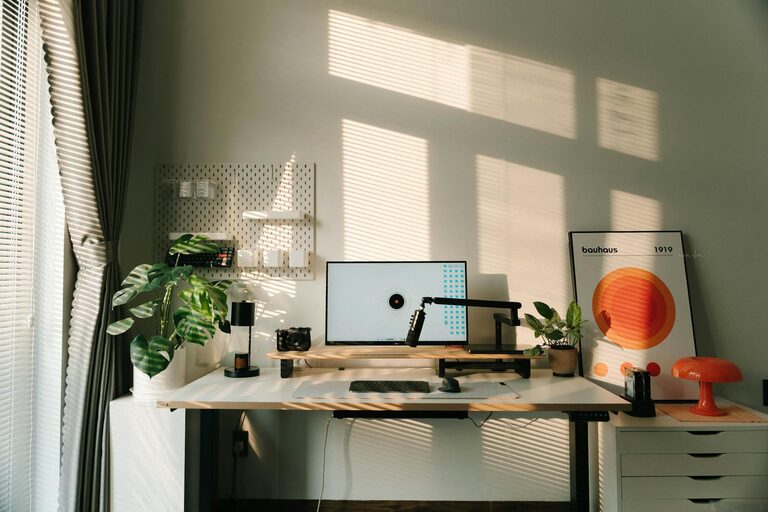
Position your desk near a window to maximize daylight. Natural light enhances mood and focus, while cutting down on the need for artificial lighting during the day.
Choose LED Bulbs
LED bulbs consume significantly less electricity and have a longer lifespan than traditional incandescent bulbs. They are a smart choice for overhead lights and desk lamps alike.
Install Dimmers and Timers
Dimmers help adjust brightness levels to your needs, conserving energy. Timers or motion sensors can ensure lights are off when not in use.
Energy-Efficient Electronics
Select Energy Star Certified Devices
When purchasing computers, printers, or monitors, look for devices with the Energy Star label. These models use less electricity without compromising performance.
Use Power Strips
Connect multiple devices to a power strip with an on/off switch. This allows you to easily cut power and prevent “phantom” energy consumption when devices are not in use.
Enable Power-Saving Settings
Adjust your computer and monitor settings to enter sleep or standby mode during inactivity. This can considerably reduce energy use over time.
Reduce Paper Waste
Go Digital
Opt for cloud storage, note-taking apps, and digital calendars instead of paper. This reduces paper consumption and makes organizing files easier.
Print Wisely
If printing is necessary, use both sides of the paper and print only what you need. Consider using recycled paper to lessen the environmental impact.
Use Recyclable Supplies
Choose pens made from recycled materials and refillable ink cartridges. Ensure paper and cardboard are properly recycled to close the loop.
Green Your Workspace Decor
Indoor Plants
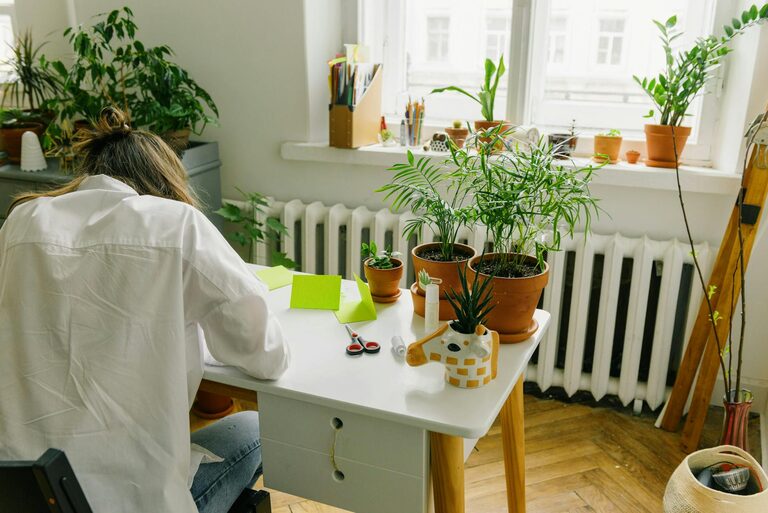
Adding plants to your office improves air quality and creates a calming environment. Choose low-maintenance varieties such as pothos, snake plants, or spider plants.
Eco-Friendly Accessories
Select office supplies made from sustainable or biodegradable materials. Cork, bamboo, and recycled plastics are good alternatives for organizers, mouse pads, and storage boxes.
Manage Waste Responsibly
Set Up Recycling Bins
Encourage recycling at your desk by keeping separate bins for paper, plastics, and electronics. Proper disposal is key to reducing landfill contributions.
Compost Organic Waste
If you have a small kitchen or snack area, consider a countertop compost bin to collect food scraps. This can reduce waste and create nutrient-rich soil for plants.
Maintain Air Quality and Comfort
Good Ventilation
Ensure your home office has adequate airflow to improve air quality and reduce indoor pollutants. Opening windows or using a fan can help circulate fresh air.
Use Non-Toxic Cleaning Products
Clean your space with environmentally friendly products free from harsh chemicals. These are safer for you and the planet.
Final Thoughts
Creating an eco-friendly home office setup involves thoughtful choices about furniture, lighting, electronics, and waste management. Simple actions like buying sustainably, reducing paper use, and optimizing energy efficiency make a meaningful difference. A greener workspace not only protects the environment but also promotes wellbeing and productivity, making your work-from-home experience more rewarding.
By gradually incorporating these tips, you contribute to a healthier planet while enjoying a pleasant and inspiring workspace. Start small, stay consistent, and watch your eco-friendly home office flourish.
About the Author